
When Is Peak Hurricane Season? Before, During, and After a Storm
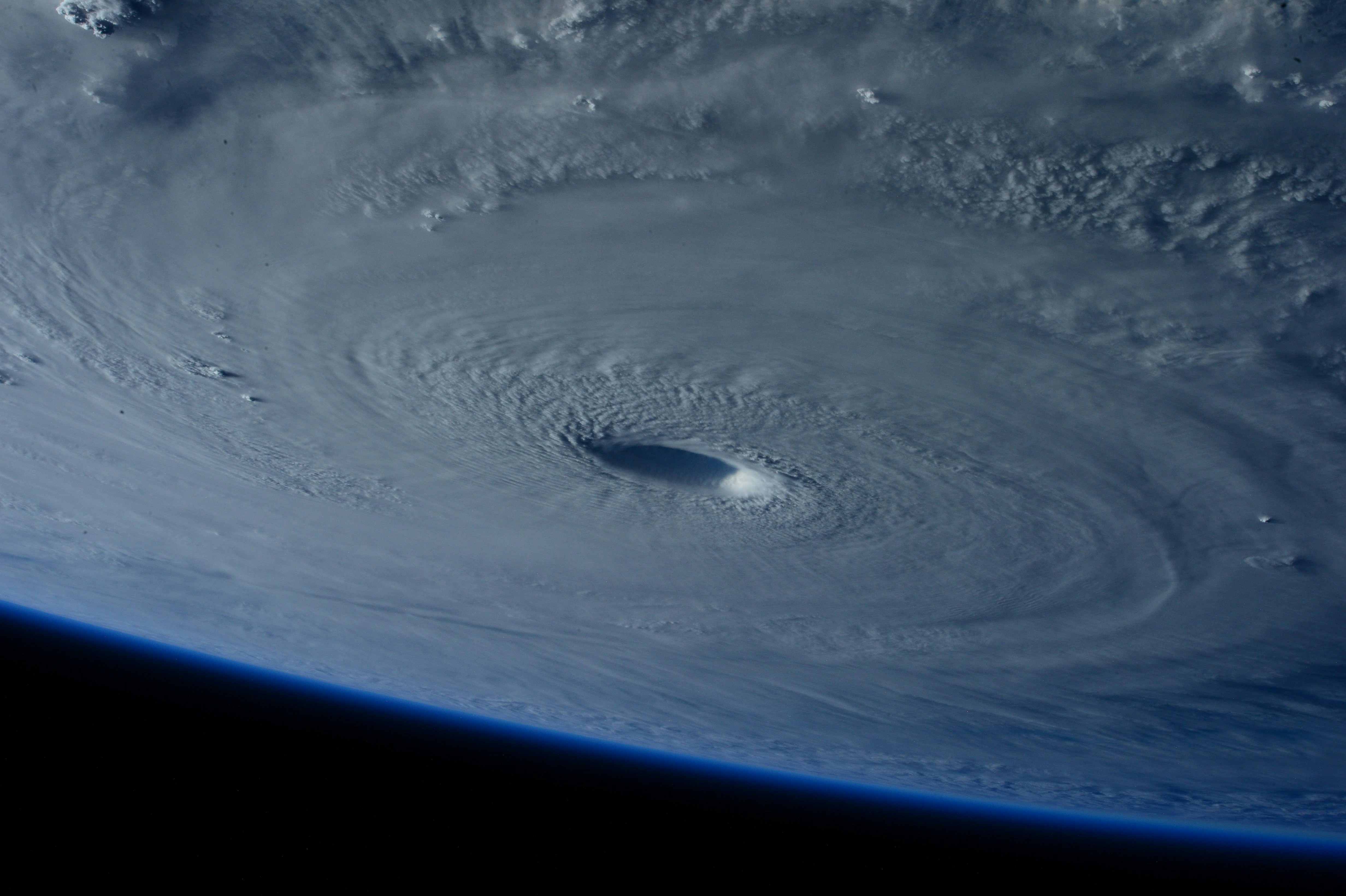
September 10 is the statistical peak of the Atlantic hurricane season, with most activity between mid-August and mid-October. Here's a practical before, during, and after checklist for this window.
Key takeaways
- Prepare before peak season and use current forecasts and local emergency guidance to decide when to act.
- Check evacuation plans, supplies, communications, and backup power readiness in advance.
- After the storm, account for generator hazards, downed lines, water advisories, and damage documentation.
The Atlantic hurricane season runs from June 1 through November 30. Its statistical peak is September 10, with most activity between mid-August and mid-October, according to the National Hurricane Center. Prepare before the season begins; storms can occur outside the peak window.
Peak season describes a long-term pattern, not a prediction for your property. Tropical storms and hurricanes can cause damaging wind, flooding, and outages even in a quieter year. Use current forecasts and local emergency guidance to decide when to act.
Warm ocean water and favorable wind conditions help explain the seasonal rise in Atlantic activity. NOAA describes how ocean heat and changes in wind shear contribute to the peak. The Atlantic basin includes the Atlantic Ocean, Caribbean Sea, and Gulf of Mexico. This seasonal increase in tropical activity includes the risk of major hurricanes; local preparation should follow the actual forecast.
Before the Storm
- Confirm your evacuation zone and flood insurance status now. Flood policies typically take 30 days to go into effect, so waiting until a storm is in the forecast is often already too late.
- Photograph your property — inside and out — to establish a clear pre-storm baseline for any insurance claim.
- Assemble supplies for at least a week without power or easy store access: water, non-perishable food, medications, batteries, and a battery-powered or hand-crank radio.
- Test any backup power equipment before you need it, and confirm you have a safe, code-compliant place to run it.
- Charge phones, batteries, and power banks any time a storm enters the forecast, not just the night before landfall.
During the Storm
- Follow official guidance from local emergency management and the National Hurricane Center rather than secondhand reports, as conditions and forecasts can shift quickly.
- Stay away from windows during high winds, and move to the lowest, most interior level of the building if a tornado warning is issued, which can happen during landfall.
- Do not go outside during a lull or the eye of the storm because winds can return suddenly and violently from the opposite direction.
- Avoid using candles for light if the power goes out; use flashlights instead to reduce fire risk in a home that may already be under stress.
After the Storm: The Danger Most People Underestimate
More people are hurt in the days after a hurricane than most residents expect, and a specific, well-documented cause stands out: carbon monoxide poisoning from portable generators. More than 200 people die in the U.S. each year from consumer-product-related carbon monoxide (CO) poisoning, and about 92 of those deaths are linked specifically to portable generators, according to the U.S. Consumer Product Safety Commission. The risk spikes sharply after hurricanes, when a large share of the population is running a generator for the first time in a year, often indoors, in a garage, or too close to windows and doors.
- Never run a portable generator indoors, in a garage, or near a window. CO can build up to lethal levels even outdoors if the generator is too close to the structure.
- Watch for downed power lines and treat every line as energized until utility crews confirm otherwise.
- Photograph damage before starting cleanup, and keep every receipt for storm-related repairs and expenses.
- Be cautious with tap water until local authorities confirm it's safe. Boil-water notices are common after major storms.
Where VIVIFY Fits Into This Checklist
The generator safety warning above exists because portable generators burn fuel and produce carbon monoxide as a byproduct, a real risk that proper outdoor placement and ventilation are specifically designed to manage. VIVIFY's Flying Pig™ is built around a different architecture entirely: a containerized hydrogen power system that runs on a water-based input rather than combusting gasoline or diesel on-site. For homes, businesses, and communities planning their power strategy for this window between mid-August and mid-October, that's a structurally different starting point than the portable generator sitting in most garages.
Bring VIVIFY to Your Site
VIVIFY works with homeowners, businesses, and communities to build power plans for the season's peak weeks. Bring VIVIFY to your site before the next storm enters the forecast.
Want to stay up to date on our progress? Follow VIVIFY on LinkedIn and Instagram for deployment updates and behind-the-scenes footage from the field.
