
Container to Community: How Modular Hydrogen Power Reaches Remote and Disaster-Hit Areas
Modular, containerized hydrogen power is already reaching some of the hardest-to-serve communities in the U.S. Here's what the model looks like, and where it's already being tested.
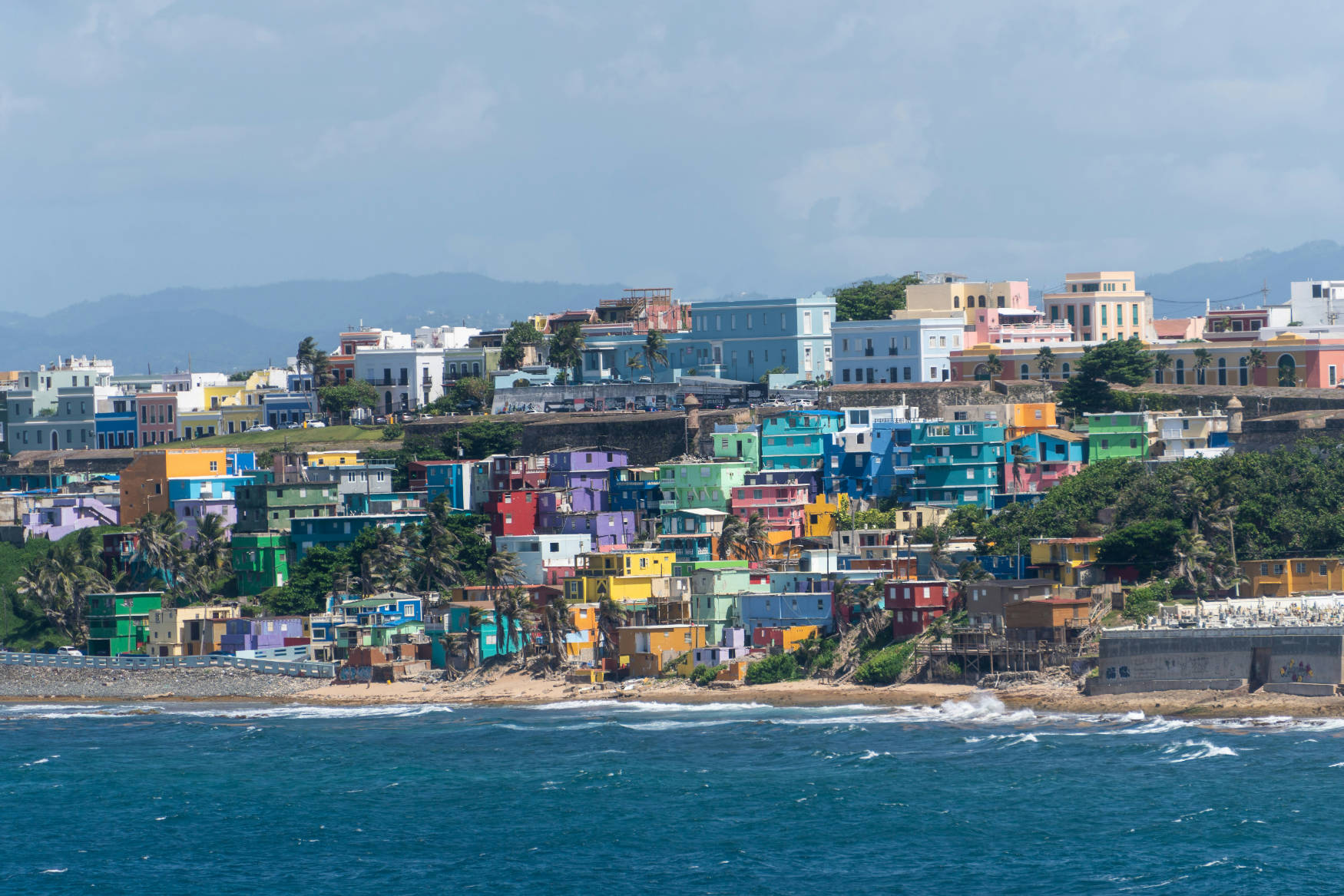
Some of the communities with the least reliable grid access aren't unreachable; they're just expensive and slow to serve with traditional transmission-line infrastructure. Modular, containerized power changes that calculation, because capacity scales by adding units rather than building new lines. Here's what that actually looks like, and where the model is already being tested.
What's Actually at Stake for a Remote Community
Vieques, an island of about 8,000 people located eight miles off Puerto Rico's mainland, lost power entirely when Hurricane Maria hit in September 2017 and stayed without grid electricity for 18 months, the second-longest blackout in recorded world history, according to Clean Energy Group's case study on the island's recovery. Even after power was restored, service on the island remained unreliable and expensive, with Puerto Rico residents paying among the highest electricity rates in the country.
That's the practical stakes of remote-community power: not just an inconvenient wait but a year and a half without reliable electricity for a community of thousands, followed by service that stayed fragile for years afterward.
Federal Agencies Are Already Betting on the Modular Model
In 2025, the U.S. Department of Energy's Office of Electricity announced $8 million in funding for the Community Microgrid Assistance Partnership (C-MAP), which has funded microgrid projects reaching 35 towns and villages specifically because traditional grid buildout doesn't reach remote areas efficiently, according to DOE's own program materials.
Separately, federal and HUD funding directed at Puerto Rico's grid recovery has included a dedicated combined heat and power microgrid at Centro Médico, the only Level 1 trauma center in the Caribbean — an example of critical, life-safety infrastructure in a remote or island region being planned around localized, modular power rather than dependence on a single centralized grid.
Hydrogen Microgrids Are Already Being Tested for Exactly This Job
The specific model of a hydrogen-based microgrid for a remote, storm-vulnerable community is already being deployed. On Vieques itself, a new hydrogen-based microgrid project is being built to secure up to 10 days of critical power for the island using an on-site electrolyzer, according to IEEE Spectrum's reporting on the project. In California's wine country, utility Pacific Gas & Electric installed a 293-megawatt-hour hydrogen and battery microgrid in August 2025 to serve Calistoga, a community of about 5,200 people that has faced some of the highest rates of preemptive power shutoffs in the utility's service area due to wildfire risk.
Hydrogen microgrids are becoming a credible, deployable answer to remote and disaster-prone power gaps: real capacity, sited locally, without waiting on transmission infrastructure that was never going to reach some of these places anyway.
Where VIVIFY's Platform Fits the Same Model
The Flying Pig™ is built around the same core idea: a containerized hydrogen power platform that generates 1 megawatt per unit, with additional capacity added by adding units rather than building new transmission. It's engineered for hydrogen power with water as input, including salt water or contaminated water, rather than requiring the site to already have clean, potable water access — a meaningful distinction for a remote island or a disaster-affected area where that's often exactly what's in short supply. Field assembly is designed to bring a site online the same day it arrives, rather than the weeks or months a traditional grid extension would require.
A remote community doesn't need the entire grid rebuilt to have reliable power. It needs enough capacity, sited locally, that doesn't wait on infrastructure the community was never going to get built to it in the first place, which is the same logic driving federal microgrid investment and the hydrogen microgrid projects already underway in Vieques and Calistoga.
Tour the Platform
See the full Flying Pig™ specification block, or reach out to talk through what modular hydrogen power looks like for a remote or hard-to-reach site.
And be sure to follow VIVIFY on LinkedIn and Instagram for deployment updates and behind-the-scenes footage from the field.
